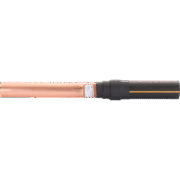
The Gas Service Connection is a transition or connection element designed to facilitate the passage between the buried section and the above-ground section of the receiving installation, or vice versa. In addition, it also allows passage through façade walls, providing a safe and efficient solution for different types of installations.
Furthermore, the mechanical connection of the riser is protected by a moisture-resistant polyurethane resin and a metallic protective sleeve. In this way, greater safety, strength and durability against external agents and adverse environmental conditions are ensured.
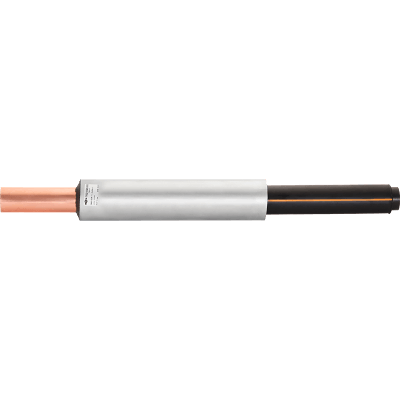
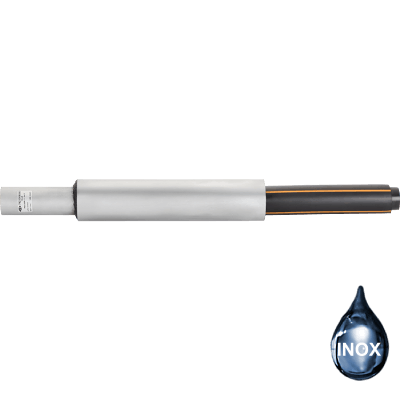
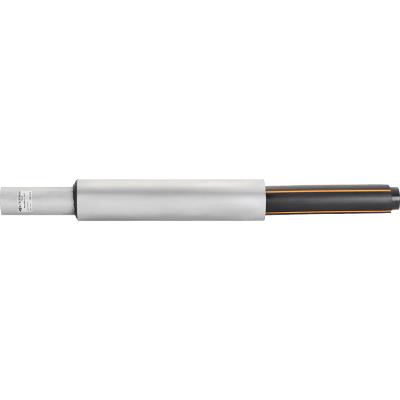
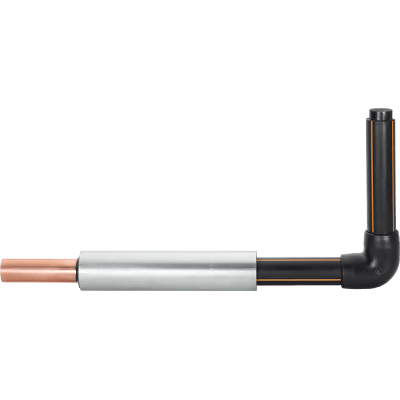
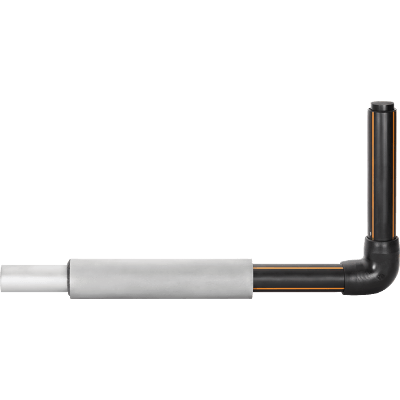
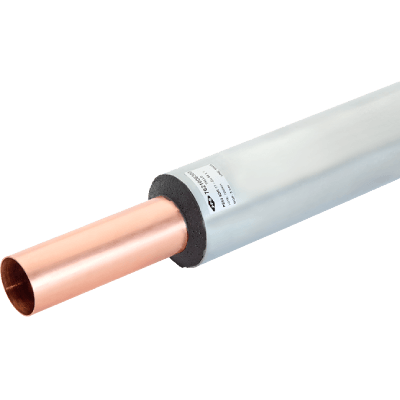
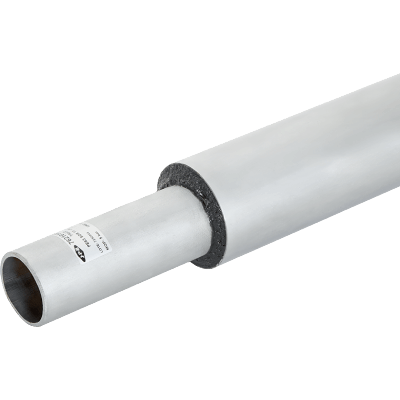
Configurations and materials
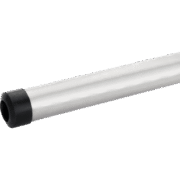
The product is supplied in two manufacturing configurations: straight and elbow type. In addition, it is available in three types of connection materials: Polyethylene/Copper, Polyethylene/Steel and Polyethylene/Stainless Steel.
Moreover, this variety of configurations and materials allows the service riser to be adapted to different types of installations and technical requirements, facilitating its integration into gas and piping projects.
Code
7621003200
7621004000
7621006300
7621023200
7621024000
7621026300
7621029000
7621013200
7621014000
7621016300
7621019000
7621103200
7621104000
7621106300
7621203200
7621204000
7621206300
7621209000
DN
25 PE/CU
32 PE/CU
50 PE/CU
25 PE/INOX
32 PE/INOX
50 PE/INOX
80 PE/INOX
25 PE/AC
32 PE/AC
50 PE/AC
80 PE/AC
25 PE/CU
32 PE/CU
50 PE/CU
25 PE/AC
32 PE/AC
50 PE/AC
63 PE/AC
Ø PE mm
32
40
63
32
40
63
90
32
40
63
90
32
40
63
32
40
63
90
Ø
22
42
54
22
42
54
88
1″
1.1/4″
2″
3″
22
42
54
1″
1.1/4″
2″
3″
Unit Pack.
1
1
1
1
1
1
1
1
1
1
1
1
1
1
1
1
1
1
Gral. Pack.
5
4
1
5
4
1
1
5
4
1
1
1
1
1
1
1
1
1
Applications and regulatory scope of the Polyethylene Gas service connection
All these fixed PE-to-metal transition mechanical joints are intended for networks, service connections, and receiving installations that use gaseous fuels of the first, second, or third family, as defined in EN 437.
Their design ensures mechanical continuity and tightness at the point of material transition, preventing stresses caused by differential thermal expansion between polyethylene and metal. This feature is essential in installations subject to temperature variations, permanent humidity, or mechanical loads inherent to the ground.
Compliance with UNE 60405
UNE 60405 establishes the construction requirements, test methods, and marking of these components, in accordance with the classification indicated in Chapter 5 of UNE 60405-1 for networks, service connections, and receiving installations.
Technical advantages of the Gas service connection
The polyethylene service connection riser stands out for its high reliability at the transition point between the buried network and the above-ground installation. Encapsulation with anti-moisture polyurethane resin acts as a preventive barrier against infiltration, while the external metallic sleeve provides additional protection against impacts and external agents.
Thanks to its straight or elbowed configuration, the installer can adapt the solution to the specific conditions of the site, optimizing routing and reducing unnecessary stresses at the joint.