GAS TRANSITIONS

bandera espanola
bandera francesa

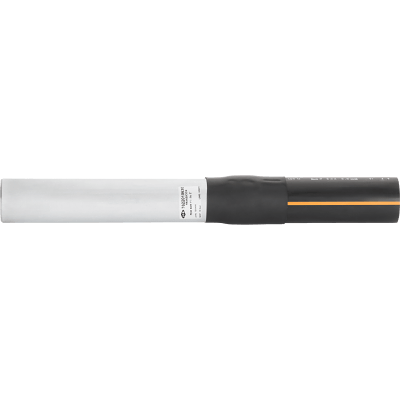
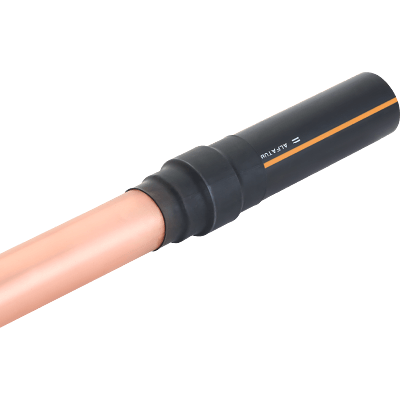
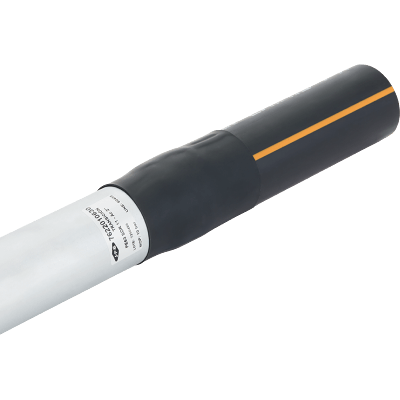
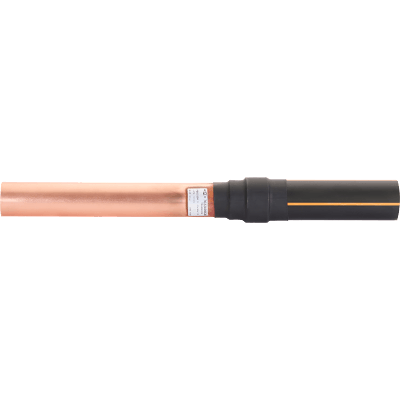
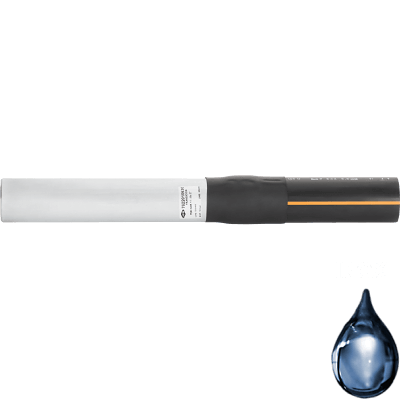
Gas Transitions are components designed to provide the transition from a polyethylene pipe to a metallic pipe (steel or copper), or to facilitate the connection to a fitting, making manual disassembly from the polyethylene pipe impossible.

They are manufactured in three types of connection materials: polyethylene/copper, polyethylene/steel, and polyethylene/stainless steel (INOX).
Code

7622000200
7622000320
7622000400
7622000630

7622020320
7622020400
7622020630
7622020900
7622021100

7622010320
7622010400
7622010630
7622010900
7622011100
7622011600
7622012000

DN

20 PE/CU
25 PE/CU
40 PE/CU
50 PE/CU

25 PE/INOX
32 PE/INOX
50 PE/INOX
80 PE/INOX
100 PE/INOX

25 PE/AC
32 PE/AC
50 PE/AC
80 PE/AC
100 PE/AC
150 PE/AC
200 PE/AC

Ø PE mm

20
32
40
63

32
40
63
90
110

32
40
63
90
110
160
200

Ø

18 x 1,5
22 x 1,5
42 x 1,5
54 x 1,5

22
42
54
88
108

1″
1.1/4″
2″
3″
4″
6″
8″

Unit Pack.

1
1
1
1

1
1
1
1
1

1
1
1
1
1
1
1

Gral. Pack.

35
18
6
4

1
1
1
1
1

8
6
4
1
1
1
1

Technical sheet

Applications of Polyethylene Gas Transitions

All these fixed PE-to-metal transition mechanical joints are intended for networks, service connections, and receiving installations that use gaseous fuels of the first, second, or third family, as defined in EN 437.

UNE 60405 specifies the construction requirements, test methods, and marking, in accordance with the classification set out in Chapter 5 of UNE 60405-1 for networks, service connections, and receiving installations.

Importance in Gaseous Fuel Conveyance Systems

The use of polyethylene transitions is essential to the integrity and safety of gas conveyance systems. The correct selection and handling of these components are vital to ensure tightness and to prevent potential leaks that could lead to serious consequences.

Privacy Overview
logo pareta

This website uses cookies so that we can provide you with the best user experience possible. Cookie information is stored in your browser and performs functions such as recognising you when you return to our website and helping our team to understand which sections of the website you find most interesting and useful.

Strictly Necessary Cookies

Strictly Necessary Cookie should be enabled at all times so that we can save your preferences for cookie settings.

In the category of Necessary Cookies, we find the Cookies that are indispensable for the proper functioning of the website:

Technical Cookies: Technical Cookies are those that are indispensable and strictly necessary for the correct functioning of a web portal and the use of the different options and services it offers.
For example, those used for session maintenance, response time management, validation of performance or options, use of security elements, sharing of content with social networks, etc.

Personalisation cookies: These cookies allow the user to specify or personalise certain features of the general options of the website, for example, to set the language, regional settings or browser type.

Show details
3rd Party Cookies

This website uses Google Analytics to collect anonymous information such as the number of visitors to the site, and the most popular pages.

Keeping this cookie enabled helps us to improve our website.

In the category of non-binding Cookies, we find Cookies that are used for different purposes:

Analytical Cookies:
Analytical cookies are those used by our web portals to create navigation profiles and to know the preferences of the users of the site in order to improve the offer of products and services.
For example, by means of an analytical cookie, we would control which geographical areas are of most interest to a user, which product is the most accepted, etc.

Advertising cookies:
Advertising cookies allow the management of advertising spaces according to specific criteria. For example, the frequency of access, the content edited, etc.
Advertising cookies allow, through advertising management, the storage of behavioural information through the observation of habits, the study of accesses and the formation of a profile of the user's preferences, in order to offer advertising in line with the interests of the user's profile.

Show details