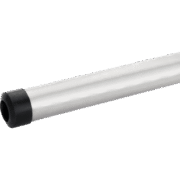
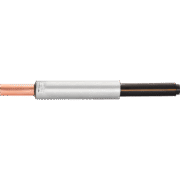
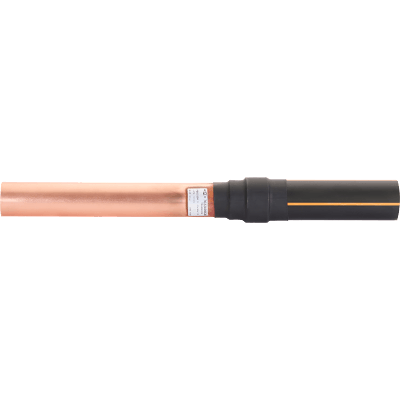
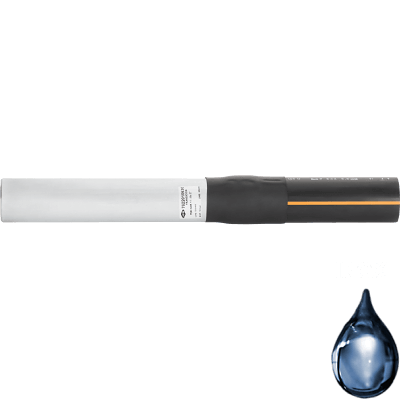
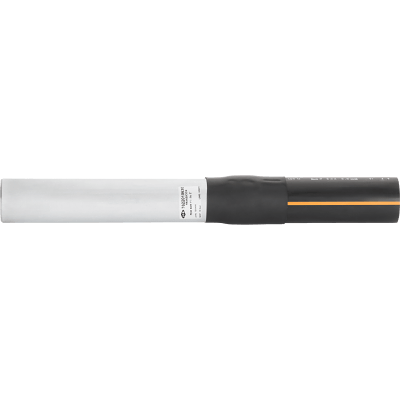
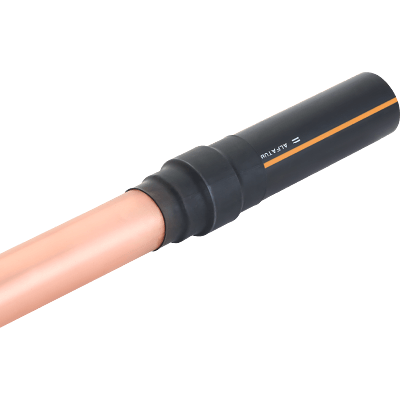
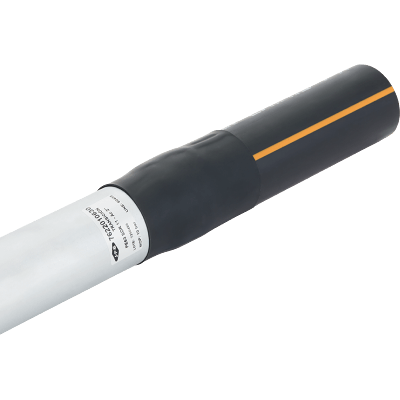
Gas Transitions are components designed to provide the transition from a polyethylene pipe to a metallic pipe (steel or copper), or to facilitate the connection to a fitting, making manual disassembly from the polyethylene pipe impossible.
They are manufactured in three types of connection materials: polyethylene/copper, polyethylene/steel, and polyethylene/stainless steel (INOX).
Code
7622000200
7622000320
7622000400
7622000630
7622020320
7622020400
7622020630
7622020900
7622021100
7622010320
7622010400
7622010630
7622010900
7622011100
7622011600
7622012000
DN
20 PE/CU
25 PE/CU
40 PE/CU
50 PE/CU
25 PE/INOX
32 PE/INOX
50 PE/INOX
80 PE/INOX
100 PE/INOX
25 PE/AC
32 PE/AC
50 PE/AC
80 PE/AC
100 PE/AC
150 PE/AC
200 PE/AC
Ø PE mm
20
32
40
63
32
40
63
90
110
32
40
63
90
110
160
200
Ø
18 x 1,5
22 x 1,5
42 x 1,5
54 x 1,5
22
42
54
88
108
1″
1.1/4″
2″
3″
4″
6″
8″
Unit Pack.
1
1
1
1
1
1
1
1
1
1
1
1
1
1
1
1
Gral. Pack.
35
18
6
4
1
1
1
1
1
8
6
4
1
1
1
1
Applications of Polyethylene Gas Transitions
All these fixed PE-to-metal transition mechanical joints are intended for networks, service connections, and receiving installations that use gaseous fuels of the first, second, or third family, as defined in EN 437.
UNE 60405 specifies the construction requirements, test methods, and marking, in accordance with the classification set out in Chapter 5 of UNE 60405-1 for networks, service connections, and receiving installations.
Importance in Gaseous Fuel Conveyance Systems
The use of polyethylene transitions is essential to the integrity and safety of gas conveyance systems. The correct selection and handling of these components are vital to ensure tightness and to prevent potential leaks that could lead to serious consequences.